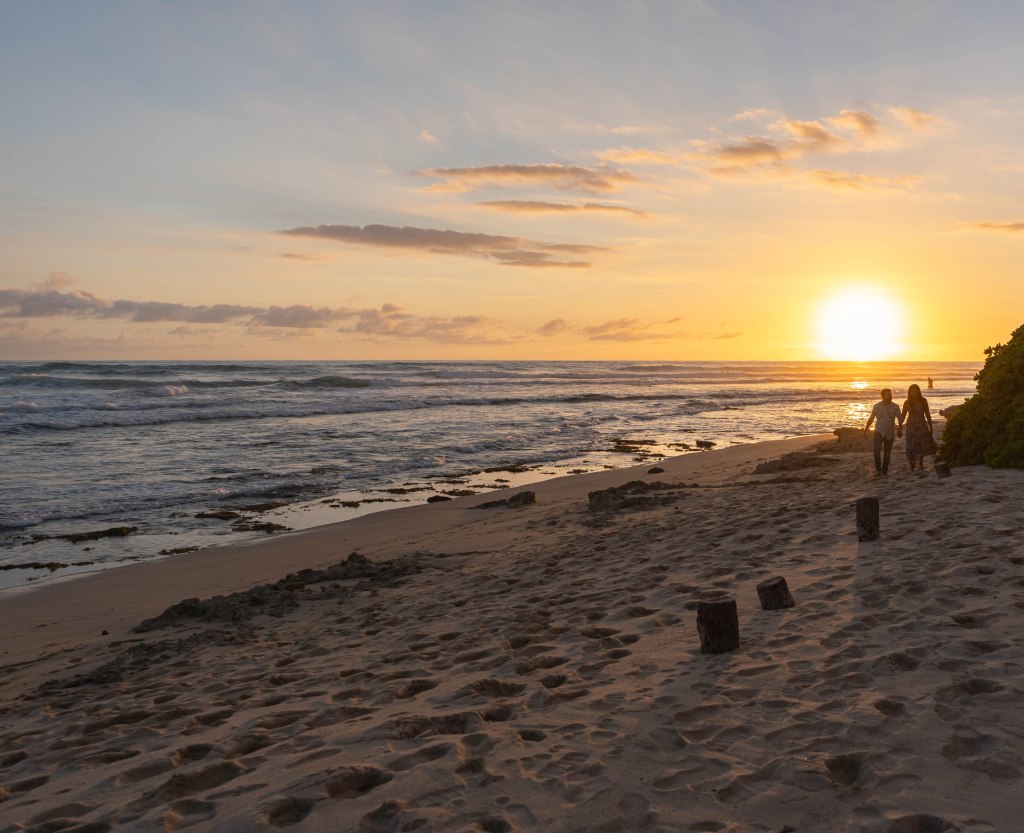
We are all on a photography journey, one that can involve many steps. It might include showcasing your photos to a broader audience, or if your goal isn’t to reach an audience, it could simply be about preserving memories for family and friends. If your aim is to share your work more widely, having a clear plan for showcasing it is essential.
One effective strategy is to post your photos on stock photography websites. After living abroad and traveling extensively, I ended up with a huge collection of photos. That accumulation pushed me to figure out how to use them. My photography journey has been long and continues to be challenging, but yours doesn’t have to mirror mine—or anyone else’s.
To make your path easier, start by creating a plan for what to do with your photos. A quick note: this isn’t about becoming a professional photographer. I’m far from a professional, but I love taking photos. I’ve studied photography and continue to learn because, like so many crafts, it’s a constant process of growth and discovery.
The goal here is simple: take the photos you’ve captured, whether with your phone or a high-powered camera, and put them to use. If you love photography, don’t let your work sit idle on a memory card or hard drive. Share it with the world!
Your first steps
The first steps in your photography journey are key to your success. Deciding where and how to post your photos will set the tone for your progress.
Where to Post Your Photos
There are numerous stock photography websites to consider. Some platforms have strict quality controls, while others are more lenient. Some sites offer payment for your work, while others allow you to share your photos for free. In rare cases, you might even receive donations.
When I started, I posted my photos everywhere without fully understanding the nuances of the stock photography world. Over time, I gained clarity and developed a more focused strategy. Below, I’ve listed a mix of free and paid stock photography sites, along with their pros and cons, to help you get started.
Free Stock Photography Sites:
- Pixabay — Pixabay allows users to upload photos, videos, and music for free usage by others. Attribution is encouraged but not required, and most users don’t give it. If you’re just starting out or unsure about the quality of your work, post a few photos and see how it goes.
- Pexels — Like Pixabay, Pexels focuses on photos and videos. It’s a step up in terms of quality control and offers contests and challenges that reward creators. I’ve found that my work gets featured and downloaded more frequently on Pexels, which has higher standards for what gets posted. Both Pexels and Pixabay are owned by Canva, so your work could potentially be used through Canva, offering exposure, although not direct payment.
- Unsplash — Unsplash is one of the most well-known free stock photography sites. It provides great exposure to popular brands and software sites. They also offer a paid platform called Unsplash+ where you must apply and be accepted. While I wasn’t accepted into Unsplash+, the free version still provides great visibility. It’s owned by Getty Images, meaning it has even greater exposure potential.
Paid Stock Photography Sites:
- Shutterstock — Shutterstock is one of the most recognized names in the stock photography industry. While it’s competitive and hard to break through, it’s worth the effort. Photos, videos, music, and sound effects are reviewed before being posted. The platform has had some complaints about lower pay rates in recent years, but it remains a top player in the industry.
- Dreamstime — Similar to Shutterstock, Dreamstime offers royalty-free photos, videos, and audio. It’s a smaller platform, but it provides exposure and a chance to build a portfolio. Some creators prefer its community and experience to other platforms.
- Getty Images — Getty is a more selective and prestigious platform. It’s frequently used by news outlets and newspapers. The site is harder to navigate, and stricter about the content they accept, but for those who make it through, the rewards can be substantial.
- Pond5 — If you’re interested in video, Pond5 is one of the leading platforms. It offers a marketplace for videos, photos, and other creative content. I’ve sold background sounds on Pond5, and it offers wide possibilities for creators.
- Adobe Stock — Adobe is known for its creative software, and Adobe Stock integrates well with programs like Photoshop and Lightroom. While I’ve found the uploading process to be smooth for the most part, editorial content isn’t as easy to submit. Most of my content here consists of landscapes and food photography.
This list provides a solid starting point if you’re looking to get your photos out there. It can also be used as a reference for finding photos for projects. My focus has been on showcasing my work for others to enjoy, but these platforms have multiple uses. You never know who might find value in your work unless you put it out there.
Ultimately, your photography journey is about sharing your work and hopefully seeing it appreciated by others. These platforms provide endless possibilities and allow you to experiment with different styles. Keep an open mind, and remember — unless you share your work, you’ll never know who might find it valuable.


 Journey, Feast, and Live
Leave a comment